Western Boho Formal Is Not a Real Thing (But You Still Have to Dress For It)
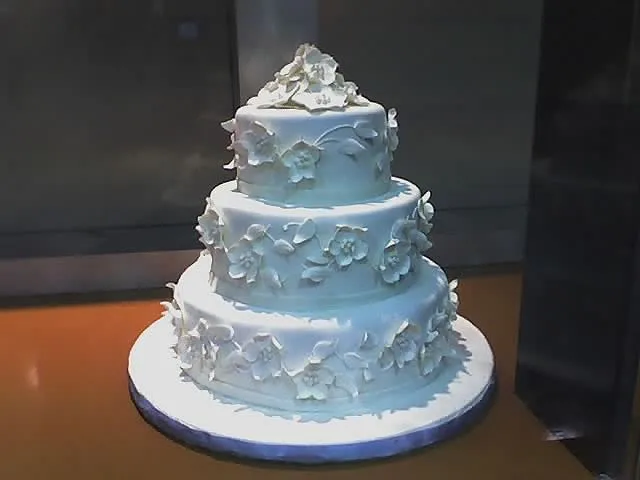
Photo: cara fealy choate from Austin, USA, CC BY 2.0, via Wikimedia Commons
Somewhere between the second pandemic wave and the great Zoom wedding era, American invitations stopped being invitations and started being briefs. You know the ones. A heavy cardstock envelope, a QR code, and then — buried under the RSVP deadline — the phrase that makes every grown adult quietly panic: 'Garden Glamour, Rustic Refined, or Western Boho Formal. Please avoid white-adjacent shades.'
White-adjacent. As in, your cream linen blazer is now a legal liability.
We've officially entered the era of the hyper-specific dress code, and honestly, it's time someone translated.
What 'Western Boho Formal' Actually Means
Let's start with the big one, since it's colonizing weddings from Austin to Asheville faster than you can say 'pampas grass arch.' Despite sounding like an oxymoron invented by a Pinterest board, Western Boho Formal is a real aesthetic with real rules — they're just unwritten.
The translation: think polished ranch, not costume party. A flowy midi or maxi dress in a warm earth tone (terracotta, sage, dusty blue), maybe with a subtle print. For suits, swap the charcoal for tan, camel, or a lighter grey, and consider bolo tie territory only if the venue is literally a barn. Boots are usually welcome — but clean, stylish ones, not the pair you wear to mow the lawn.
What it is not: fringe everywhere, cowboy hats indoors, denim, or anything you'd wear to a themed bachelorette in Nashville. When in doubt, dress as if you're going somewhere slightly nicer than a vineyard.
The Mood Board Is Not a Suggestion
Here's the thing about couples who attach a mood board to their invite: they're not being controlling. Okay, some of them are. But mostly, they're anxious people trying to prevent a chaos they've already witnessed at someone else's wedding — the guy in cargo shorts at a black-tie ceremony, the guest in a floor-length ivory gown who 'swore it was blush.'
The mood board is a communication tool, and the smartest guests treat it like one. You're not supposed to replicate the images. You're supposed to extract the vibe: the palette, the formality level, the texture. If every photo features flowing fabrics and muted tones, put away the bodycon sequin dress. If the board is full of tuxedos and candlelight, your sundress is a misread.
Read the board like a forecast, not a shopping list.
A Field Guide to Passive-Aggressive Dress Codes
Some dress codes are straightforward. Others are doing a lot of emotional labor. A quick decoder:
- 'Cocktail attire with a twist' — The twist is whatever the couple's theme is. Wear standard cocktail and add one themed accessory. Done.
- 'Festive' — In December, this means sparkle. In June, it means absolutely nothing, and you should default to cocktail.
- 'Elegant casual' / 'Dressy casual' — The most feared code in America. Translation: no jeans, no sneakers, no gown. A nice dress or trousers and a blouse lands you safely in the middle.
- 'Black tie optional' — Not optional in spirit. A dark suit and tie will never be wrong here. Save the tux for if you actually own one.
- 'Please avoid white-adjacent shades' — They got burned before. Or they watched TikTok. Either way, skip cream, ivory, champagne, and anything a guest might photograph next to the bride. There are literally millions of other colors.
The Budget Problem Nobody Talks About
Here's the part of the dress code arms race we don't discuss enough: it's expensive. When every wedding demands a different micro-genre of outfit, guests start racking up hundreds of dollars per invitation. And per a 2024 Bankrate survey, wedding guests are spending an average of over $600 per event once you count the outfit, the gift, the travel, and the hotel.
You do not need a new look for every theme. You need a small, flexible arsenal:
- One solid cocktail dress or dark suit in a neutral that works for 80% of codes.
- One long dress or elegant separates set for 'formal' and 'black tie optional' situations.
- Accessories that flex — a good blazer, a wrap, statement earrings, and shoes that can swing dressy or rustic.
Then let the theme live in your accessories. A terracotta earring, a hat you leave in the car, a belt. The couple gets their aesthetic; your bank account stays intact.
When the Code Is Actually Too Much
Look, there's a line. If an invitation asks guests to purchase specific items, pay for themed attire, or adhere to a color palette strict enough to require a Pantone chip, it's fair to gently push back. A simple 'I'd love to come — can you let me know if something in a similar shade works?' is polite and entirely reasonable. Most couples will say yes. The ones who won't have told you something important.
Dress codes, at their best, exist to help guests feel confident, not to audition them. The best guests read the room; the best hosts give a room worth reading.
The Bottom Line
American wedding fashion has gotten more specific, more themed, and frankly more demanding — but decoding it doesn't require a degree in semiotics. Find the formality level, respect the color boundaries, add one nod to the theme, and stop after that.
Because at the end of the day, the mood board is a hint, not a contract. Show up comfortable, show up respectful, and whatever you do — keep the ivory at home.