Six Yards of Satin, Nowhere to Go: The Afterlife of the American Bridesmaid Dress
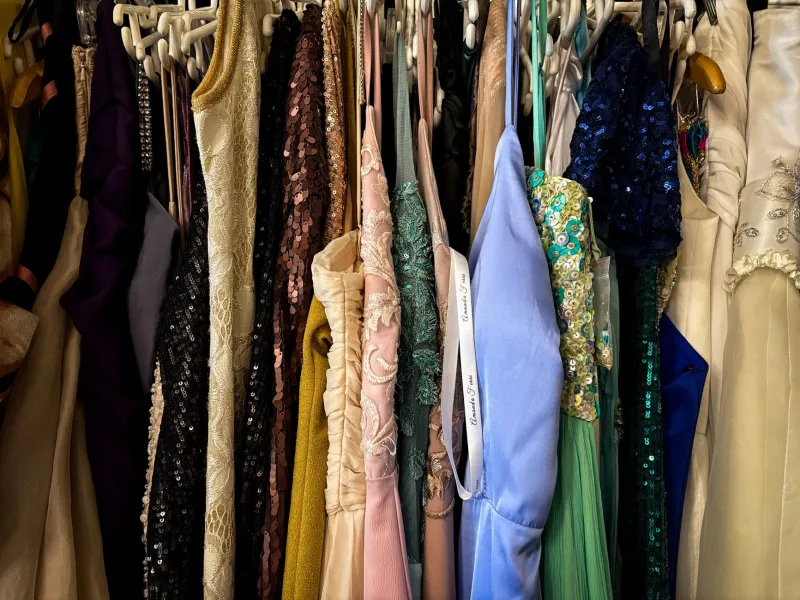
Every few months, someone posts the same photo: a closet rod sagging under the weight of pastel gowns, each one a receipt for a friendship. The caption is always some version of why do I still have these. Nobody knows. That is the bridesmaid dress in a nutshell — the most optimistic purchase in American fashion, worn for roughly six hours, dry-cleaned at least once, and then preserved out of pure guilt until it becomes part of the furniture.
We decided to follow the dress past the reception. What happens after the last photo of the group with the bride? The answer is stranger, and more hopeful, than the closet suggests.
The Dress Was Never Really Yours
Here is the thing nobody says out loud at the fitting: the bridesmaid dress is not a purchase, it is a rental with extra steps. You did not choose the color. You did not choose the fabric. You probably did not choose the length, and if you did, you chose it in a group chat with six other people and a bride on a deadline. The dress was designed to look good next to five identical dresses in one specific room under one specific lighting setup.
So when people call it a waste, that is not quite right. It did its job. The problem is that nobody planned for hour seven.
The economics are genuinely rough. The average bridesmaid dress in the US runs somewhere between $150 and $300 before alterations, and alterations on a lined, boned, floor-length gown can add another $60 to $120 without blinking. Multiply that by the number of weddings a person attends in their late twenties and early thirties, and you get a closet that looks like a Pantone catalog from a decade you would rather forget.
Where They Actually End Up
The good news: the trash can is rarely the destination. Ask around and a pattern emerges. The dresses split into four fairly predictable streams.
Resale. Platforms like Poshmark, Mercari, Depop, and Facebook Marketplace are full of listings with titles like worn once, David's Bridal, dusty blue, size 6. They sell, but slowly, and usually at a fraction of what was paid — think $30 to $60 for a dress that cost $220. The listings that move fastest are the ones in neutral colors, the ones with real photos on a real body, and the ones priced honestly. Nobody is fooled by retails for $250 anymore.
Donation with a purpose. Prom dress drives are the quiet hero of this story. Programs like Becca's Closet and dozens of local church and community drives collect formal gowns every spring for students who cannot afford them. A floor-length satin gown in a jewel tone is exactly what they need. A tea-length chiffon in sage is a harder sell, but not impossible.
The tailor. A good alterations shop has seen everything, including your dress. Shortening a gown into a cocktail dress is the classic move, and it works best when the fabric is forgiving and the hem is simple. Ask before you commit — some linings and beaded hems make the you can totally shorten it promise a lot more expensive than it sounds.
The dye pot. More on this in a second, because it is the most romantic and the most risky option on the list.
The Dye Pot Is a Gamble, the Tailor Is a Therapist
Dyeing a bridesmaid dress is the fantasy: take the dusty lavender you never liked and turn it into a deep charcoal or a rich burgundy you would actually wear. Sometimes it works beautifully. Often it does not. Polyester satin, which is what most of these gowns are made of, resists dye the way a raincoat resists a hug. Natural fibers like silk take color gorgeously; synthetic blends tend to come out muddy, uneven, or lighter than promised.
If you want to try, talk to a professional dyer first, not the box of Rit at the craft store. Bring a fabric swatch. Expect to pay $60 to $150, and accept that the result may be a slightly different color than you imagined. The upside: a dress that was never your style can become the one you reach for on a Saturday night.
The tailor, meanwhile, has become something of a therapist for the emotionally attached. They will tell you honestly whether the dress is worth saving. A good one will also suggest the cheaper option: take in the bodice, remove the straps, add pockets, or chop it into a skirt. A $40 alteration can turn a gown you resent into a piece you actually wear.
What the Pile Says About How We Shop
The bridesmaid dress is a small, revealing case study in American shopping habits. We buy for the event, not the wardrobe. We buy under social pressure, on a deadline, in a color chosen by committee. And then we keep the evidence in the closet because throwing it out feels like throwing out the memory.
The resale economy has made the cycle a little less wasteful. But the real shift is generational: younger shoppers are far more comfortable listing a dress the week after the wedding, pricing it to move, and letting it go. The graveyard is getting smaller. It is just not empty yet.
How to Break the Cycle
If you are buying: ask the bride about color flexibility early. Check resale sites first — there is a decent chance someone from a previous wedding in the same party is selling exactly what you need in your size. Budget for alterations from the start.
If you are reworking: get a quote before you get attached to an idea. Ask the tailor what the fabric will actually allow. And give yourself permission to make it ugly before it gets good.
If you are offloading: photograph it in daylight, on a hanger or on a body, and price it to sell. List it in the spring, when prom and wedding season collide. If it does not move in a month, donate it to a prom drive or a local theater department — costume closets are always hunting for formalwear.
If you are keeping it: at least put it somewhere you can see it. A dress in a plastic bag at the back of a closet is not a memory. It is just clutter with a story attached.
The bridesmaid dress graveyard is not really a graveyard. It is a holding pattern. The dress is waiting for someone to make a decision — and honestly, so are you.