The Ohio Goodwill Pilgrimage: Inside America's Secondhand Gold Rush
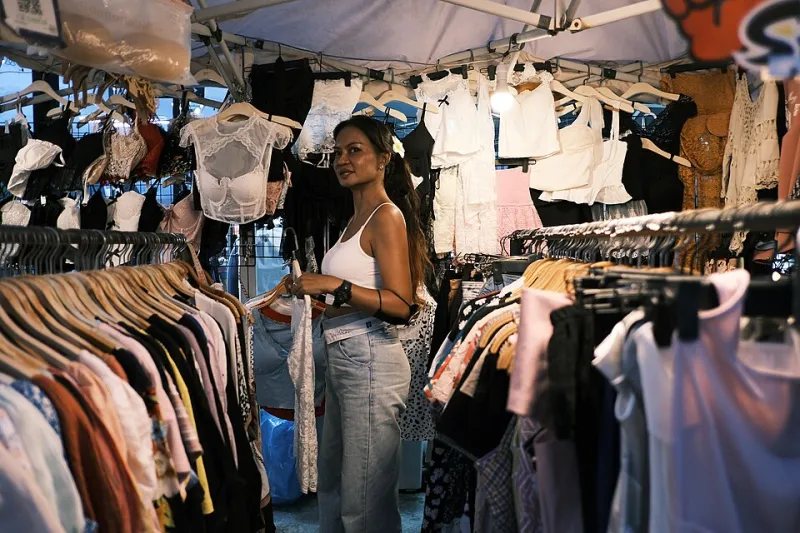
Photo: PattayaPatrol, CC BY-SA 4.0, via Wikimedia Commons
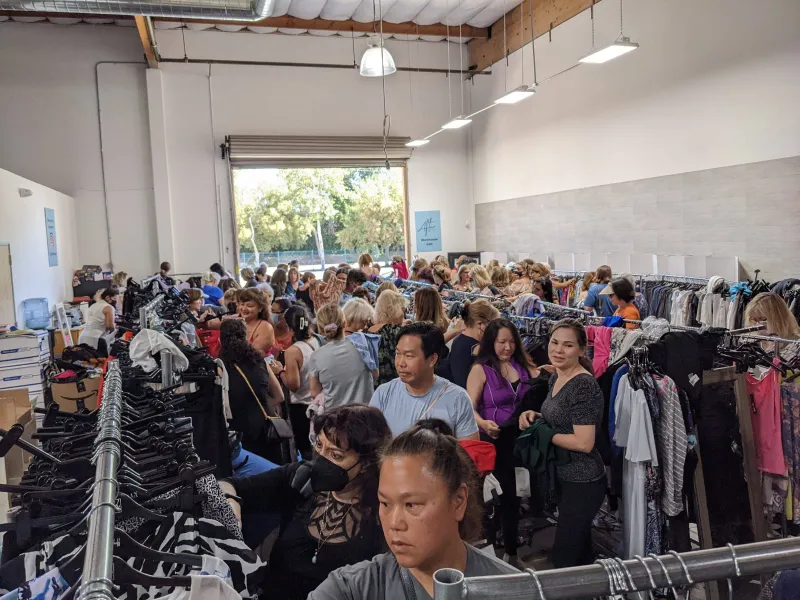
Let's talk about the bin store parking lot at 8:45 a.m. on a Saturday. The cars have out-of-state plates. The people inside are wearing lanyards with laminated store maps. Somebody's got a garment steamer in their trunk. This isn't a yard sale — this is the new American fashion economy, and it runs on secondhand.
How a Small-Town Goodwill Became a Destination
The store in question sits in a modest Ohio strip mall, nothing about the exterior suggesting anything remarkable. But word travels fast in the reseller world. This particular location sits near a cluster of wealthy retiring suburbs — think estate clear-outs, downsizing boomers, and donations of genuinely excellent clothing from decades when people bought fewer, better things.
The result is a stock rotation that reads like a vintage archive. Cashmere overcoats. Dead-stock Levi's. Handbags that show up on resale platforms the same afternoon, listed at ten times the sticker price.
Regulars guard the schedule like a family recipe: new racks hit the floor Thursday mornings, the good jewelry case restocks on the first of the month, and the color-tag sales rotate on a cycle you can learn in about three visits.
The Flippers, the Hunters, and the Rest of Us
The secondhand boom has created distinct species of shopper, and it's worth knowing who's who.
The resellers are running a business. They know brand values cold, they scan tags with their phones, and they can spot a Pendleton from across the store. They're not the enemy, exactly — but they are competition.
The estate sale hunters skip the thrift store entirely and go upstream, to the source. Estate sales in older neighborhoods are where the true one-of-one pieces live: fur-trimmed wool coats, hand-beaded evening bags, silk scarves still in their original boxes. Prices are negotiable and the competition skews older, which works in your favor.
The regular shoppers — that's most of us — are just looking to build a wardrobe without financing it. Totally viable, with a strategy.
What This Boom Changed
Thrift flipping didn't just change who shops secondhand. It changed the stores themselves.
Donations are being sorted more aggressively, with higher-value items routed to online platforms like shopGoodwill rather than hitting the racks. Pricing has crept up — the legendary dollar-bin era is fading. And the word "vintage" has become functionally meaningless, slapped on anything older than five years and priced accordingly.
Small-town stores are feeling it most. Out-of-state buyers descend on weekends, and locals show up to find the racks picked over by Friday afternoon. Some stores have started limiting early access. Others have quietly raised prices on anything with a recognizable label.
Your Field Guide to Scoring Without the Markup
If you want in without paying resale prices, here's the playbook:
Shop the off-days. Tuesday and Wednesday mornings are when weekday donations hit the floor and the weekend crowd is at work. You'll have the racks to yourself.
Learn the tag system. Every chain runs color-tag sales. If you know which color's discounted this week, you can time your trip to get 50% off already-cheap goods.
Skip the obvious sections. The designer rack is picked clean by professionals. The men's XL section, the plus-size racks, and the children's department (hello, oversized flannels) are chronically under-shopped.
Go upstream. Church rummage sales, estate auctions, and moving sales have less traffic and lower prices than any thrift chain. The best pieces never touch a Goodwill rack at all.
Check the fibers, not the labels. A reseller looks for brand names. You should look for 100% wool, silk, and real leather — labels fade, but quality fabric doesn't. A no-name cashmere sweater beats a logoed acrylic one every time.
Build relationships. The workers at a good store know what's coming out on the truck. Be friendly, be a regular, and ask when donations get processed. It's not shady — it's networking.
The Bottom Line
Secondhand shopping in 2025 takes more effort than it did in 2015. The easy pickings are gone, the pros are organized, and the prices reflect demand. But the treasure is still out there — in Ohio strip malls, in estate sale garages, in the men's coat section nobody bothers to sort properly.
You just have to show up early, know the system, and be willing to dig. The gold rush rewards the patient.