Where Real Style Gets Made: 7 Small American Boutiques Worth the Detour
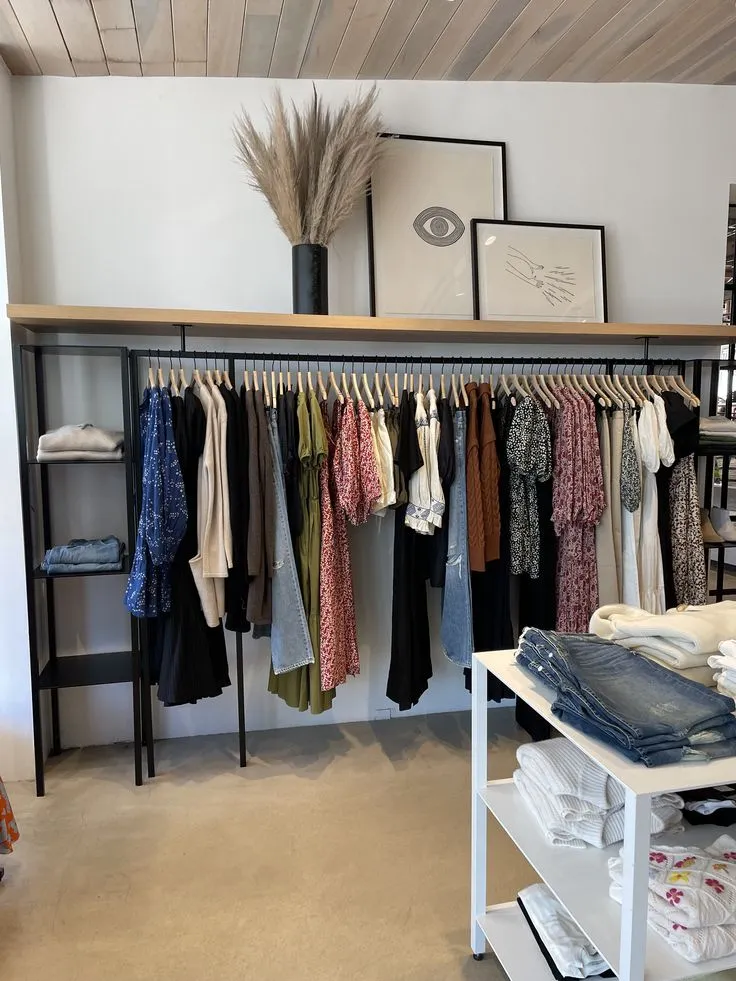
Photo: small independent clothing boutique interior racks of clothes, via i.pinimg.com
Big trends don't always start big. Ask any buyer, stylist, or chronically online fashion person where they actually spotted a silhouette first, and the answer is rarely a runway show. It's a shop. A small one. Run by someone with opinions.
This year we went looking for those shops — the independents quietly deciding what American style looks like in 2025. Some are ateliers, some are workwear dens, all of them are worth a detour. Consider this your field guide.
1. The Houston Atelier Doing Custom Right
Houston doesn't get enough credit as a style city, and that's exactly how the ateliers there like it. Expect made-to-measure shirting in hot-weather fabrics — linen blends, fine poplin, unlined blazers cut for 95-degree Septembers. The signature look: sharp tailoring that refuses to sweat.
Price point: $200–$600 for custom pieces. Why it matters: Southern dressing, reimagined as tailoring rather than tradition.
2. Seattle's Workwear Revival
Pacific Northwest shops have always taken utility seriously — rain will do that. The current Seattle wave takes vintage American workwear patterns (chore coats, double-knee pants, flannel done properly) and rebuilds them with modern fits and fabric mills. Nothing precious, everything functional.
Price point: $90–$300. Why it matters: This is where the 'quiet workwear' trend got its blueprint, two years before it hit the coasts.
3. The Santa Fe Textile House
Southwestern style gets flattened into a cliché a lot. The best Santa Fe shops treat regional textile traditions — handwoven wool, natural dyes, indigenous-informed patterns sourced ethically — as living craft, not costume. Expect jackets and scarves that become heirlooms.
Price point: $150–$800. Why it matters: It's proof that 'American style' includes the Southwest's 400-year-old design language.
4. A Chicago Menswear Den With Midwest Sensibility
Chicago style has always been practical with a wink, and the city's best independent menswear shops bottle it: heavy knits, wide trousers, layers built for a lake-effect winter, all in a palette that runs from oatmeal to forest green. Zero coastal anxiety, maximum wearability.
Price point: $80–$400. Why it matters: Midwest proportions — roomy, honest, unbothered — are showing up everywhere.
5. The Miami Shop Making Linen a Year-Round Proposition
Miami boutiques have long mastered resort wear; the interesting ones are now pushing linen tailoring into every season, pairing it with boots, tights, and knits that make tropical fabric work up north. The result is a look that reads polished without being stiff.
Price point: $120–$500. Why it matters: If linen suiting keeps creeping into fall wardrobes, this is why.
6. A Portland Vintage Archive With a Point of View
Portland's vintage scene goes deep, but the standout shops are the ones that curate like editors — a tight rack of 1970s Levi's, deadstock flannels, American-made outerwear from brands that stopped existing decades ago. Shopping there feels like research.
Price point: $40–$250. Why it matters: Vintage dealers are the earliest trend sensors in the country. What sells out here in March sells everywhere by fall.
7. The Brooklyn Multi-Brand Concept Store
Every list needs its New York entry, and the Brooklyn shops that matter in 2025 aren't chasing hype drops — they're stocking small American makers alongside Japanese denim and Scandinavian basics, unified by one question: will this still work in ten years?
Price point: $100–$700. Why it matters: These shelves are where 'quiet luxury' gets translated into something Americans will actually wear on a Tuesday.
The Bigger Picture
Notice what these seven shops have in common: a point of view, a region, and a refusal to chase every micro-trend. That's the real story of American style in 2025 — not one look, but a network of local voices confident enough to say 'this is how we dress here.'
The trend isn't a garment. It's the shops themselves. Visit one, buy something you'll keep, and you're participating in the conversation — not just consuming it.